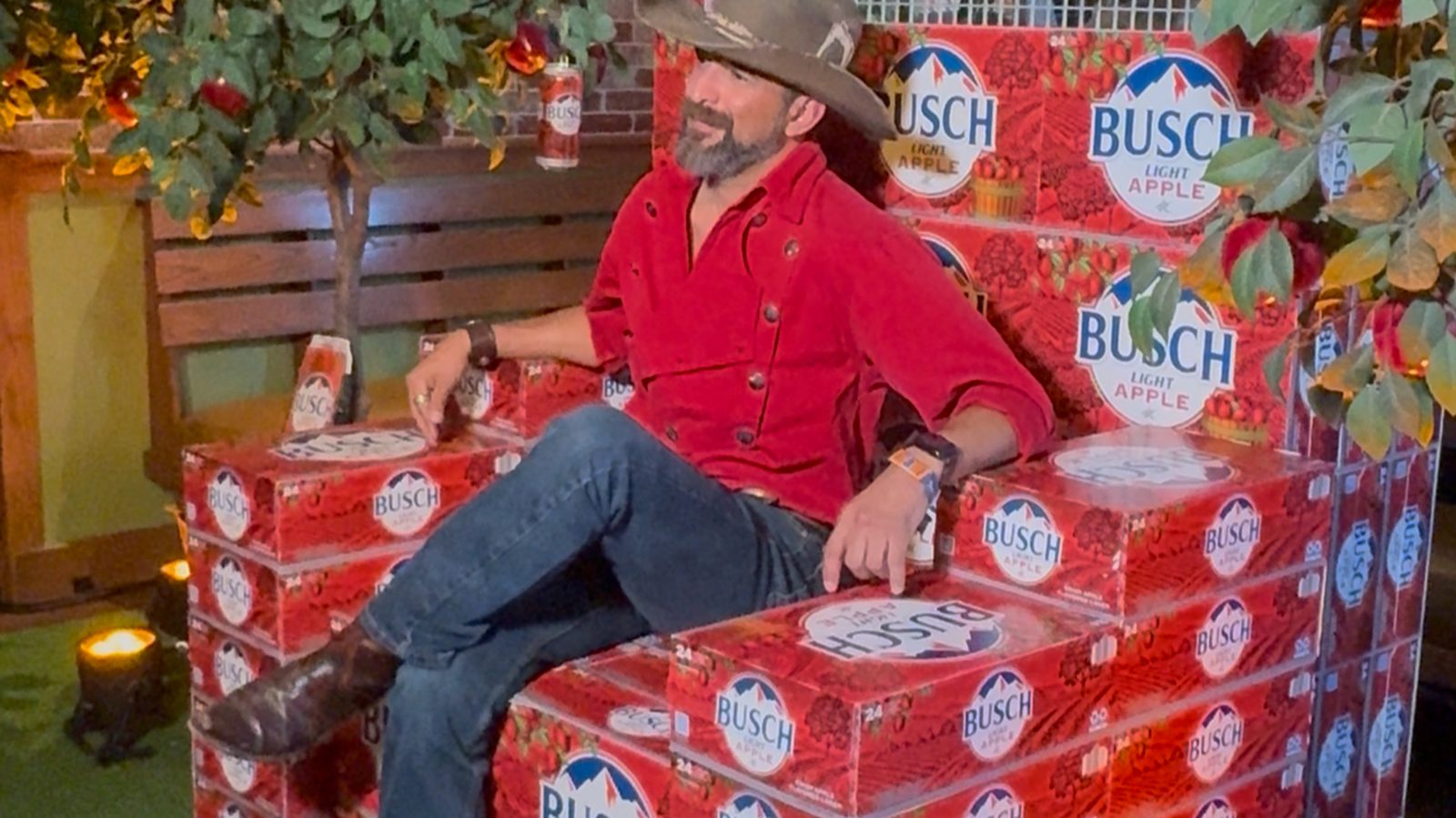
The photo booth is rarely the headline at a brand event. The keynote, the product, the talent. Those get top billing. But ask any agency producer who's run more than five activations: the booth is often the highest-engagement zone in the room, the longest line at the show, and the single biggest source of branded user-generated content the campaign produces. It's also the deliverable that most often gets scoped wrong, briefed late, and quoted by vendors who don't actually do brand work.
This is a guide for brand-side producers, marketing managers, and agency leads scoping a photo booth deployment. Six work types covered, the requirements brands need to bring to the table, the questions to ask any vendor before signing, and what separates a real branded experience from a wedding booth with a logo on it.
The six formats brands actually book
"Brand photo booth" is a category that covers very different deliverables. The deliverable, footprint, staffing, and budget shift dramatically depending on which format you're running. Here are the six most common, with the strategic role each one plays.
Format 1
What it is: A standalone, themed installation tied to a specific campaign: usually outdoor or in a non-traditional venue, often paired with sampling, experiential marketing, or talent appearances. The booth is part of a larger built environment, not a drop-in unit.
Strategic goal: Generate shareable, on-brand content that lives well past the event. The photo is the artifact the campaign keeps producing impressions on.
Typical scope: Custom backdrop construction, branded UI on the booth screen, custom print or digital overlay, two-person staffing minimum, full data capture flow. Half-day to multi-day runs.
Format 2
What it is: A photo experience inside a booth footprint at a trade show, expo, or industry conference. Smaller footprint than an activation, higher throughput, lead capture is the explicit goal.
Strategic goal: Pull traffic to the booth, qualify leads with a scan or opt-in, deliver branded content the lead carries away. ROI on this format is measured in scanned badges, not in social impressions.
Typical scope: Compact booth, branded backdrop or step-and-repeat, integration with the show's lead retrieval system or a custom email/SMS opt-in, branded overlay. Single tech, full show duration (typically 8-12 hours per day, 2-4 days).
Format 3
What it is: An invite-only or hybrid event tied to a new product, location opening, or campaign reveal. Press, influencers, partners, and select guests in attendance.
Strategic goal: Earned media. Get attendees creating content with the product (or the brand) in-frame, hashtagged, and shared in real time during the launch window.
Typical scope: Premium booth (Glam-tier or 360 if available), product placement integrated into backdrop or props, instant digital sharing prioritized over prints, custom social-ready overlay. 3-5 hours active.
Format 4
What it is: A short-run installation inside a retail location, brick-and-mortar partner, or sponsored bar/restaurant takeover. We've worked alongside national restaurant chains for sponsored campaign launches in this exact format.
Strategic goal: Convert foot traffic into branded social content. Drive in-store visits during the campaign window. Capture contact data for follow-up marketing.
Typical scope: Compact footprint to fit retail constraints, branded overlay tied to the campaign, opt-in flow for the brand's CRM, single tech. Single-day or week-long runs.
Format 5
What it is: A controlled, invite-only shoot day where the brand brings in 10-30 influencers or content creators to produce a high volume of branded content in one session.
Strategic goal: Asset generation at scale. The output is hundreds of branded images and clips ready for paid social, organic posting, and newsletter use over the following months.
Typical scope: Glam-tier or premium portrait booth for asset quality, fully designed branded environment, no print output (digital-first), professional retouching pipeline post-event. 4-8 hours.
Format 6
What it is: A retainer or multi-event agreement where the booth shows up at a brand's recurring touchpoints: distributor events, regional sales meetings, employee appreciation events, customer milestones, over a quarter or year.
Strategic goal: Operational consistency. Same booth, same data flow, same branded look across every brand event without re-scoping every time. We've operated in this format for beauty distributors running multi-state event calendars.
Typical scope: Pre-negotiated rate card, standardized branded overlay templates, predictable lead times, single point of contact for booking. Pricing is per-event with retainer-style discounts.
What brands need to provide
The single biggest reason a brand booth deployment underperforms isn't vendor failure. It's incomplete inputs from the brand side. Here's what a vendor needs from the brand or agency to execute, and the lead time required for each.
| Requirement | What's needed | Lead time |
|---|---|---|
| Brand assets | Logos (vector preferred), brand color hex codes, font files or licensed names, approved photography, brand guideline PDF | 2-3 weeks before |
| Approval contacts | Named decision-maker on overlay design, named legal/brand reviewer if applicable, response SLA | At brief |
| Venue specs | Floor plan, power access, load-in instructions, freight elevator details, attendant access credentials | 2 weeks before |
| COI requirements | Additional insured names, required coverage limits, certificate holder details, any specific endorsements the venue requires | 2 weeks before |
| Data flow spec | Where opt-in data goes (CRM, marketing platform, brand team), what fields are collected, consent language for CAN-SPAM and CCPA | 1-2 weeks before |
| Run-of-show | Setup window, booth-active hours, breakdown window, any blackout periods (keynote, talent appearances, press windows) | 1 week before |
| Talent or product placement | If product is appearing in-frame, who is supplying it and when. If talent is using the booth, scheduling and any image rights restrictions | 1-2 weeks before |
Lead times are minimums. A brief that lands two days before a launch event is going to deliver standard-template work, not custom: there is no version of design, approval, fabrication, and testing that fits in 48 hours.
Five questions to ask any vendor before booking
- Have you worked with brands before? Names, not categories. "We do corporate" isn't an answer. Specifics signal real experience: a sponsored campaign launch with a national restaurant chain, distributor events for a multi-state beauty brand, agency-produced activations. Vendors who've never delivered for a brand will struggle on approvals, COIs, and data flow. The parts that wedding booth experience does not teach.
- What does your data flow look like? If they cannot describe how an opt-in collected at the booth ends up in your CRM with the right consent fields and the right campaign tag, they don't have a real flow. They have a generic email list dump that creates compliance problems.
- What's in the post-event recap? Real brand vendors deliver session counts, opt-in rates, share rates, sample images sized for paid social, a curated set of hero images for the brand's content team, and a learnings doc. Wedding-tier vendors deliver a Google Drive link.
- What's your COI process? They should have an existing COI with appropriate liability limits and a process to add additional insureds within a few business days. If they ask "what's a COI," walk away. If their COI is under $1M general liability, your venue likely won't accept them.
- Who's on-site, and what's their backup? Lead tech only? Lead tech plus brand ambassador? What happens if the printer fails at hour two of an eight-hour show? Vendors who deliver for brands bring redundancy: backup printer, backup hardware, second tech on call. Vendors who don't, don't.
What this actually costs
Brand work doesn't price like consumer events. The variables: custom design rounds, approval cycles, data integration, COI compliance, redundancy, multi-day staffing. All move independently. Single-day, single-city brand engagements typically land in three buckets:
- Smaller deployments (one booth, 4-hour run, standard branded overlay, single tech, local market): $3,000-$5,000
- Standard deployments (one booth, 6-8 hour run, custom UI plus overlay, two-person staff, local plus travel): $5,000-$10,000
- Premium deployments (multiple booths, full custom build, multi-day, brand ambassador, data integration): $10,000-$25,000+
If you're seeing a quote at $1,500 for a brand deployment, you're looking at a wedding vendor with a logo on a generic backdrop. That's fine for some campaigns where the booth is a low-priority entertainment line. It is not fine when the booth is the campaign's primary content engine.
What separates a brand vendor from a wedding vendor in costume
This is the part most brand-side decision makers don't see until something breaks. The difference shows up in the boring parts of the work: the COI exchange, the approval workflow, the data export, the post-event recap. A wedding vendor moonlighting on brand work can absolutely deliver a beautiful booth at the event. They will struggle on:
- Producing a COI within 48 hours of a venue request
- Managing a multi-round overlay design approval with a brand legal team
- Integrating opt-in data into Salesforce, Klaviyo, or a custom CDP
- Filtering and delivering a curated content drop (versus a raw photo dump)
- Operating across a multi-day run where redundancy and shift coverage matter
Running the booth at the event is the easy part. The producer-side work around it (COIs, approvals, data integration, multi-day staffing) is what brand work actually requires.
Why we publish all of this
Most photo booth sites pitch brand work with a vague "we do corporate too" line and a quote form. We publish the format breakdown, the requirements list, the questions to ask, and the real cost ranges because we'd rather get a sharp brief from a producer who already knows what they need than spend the first three calls explaining the basics. Better briefs equal better quotes equal better deployments.
PicPop has delivered branded photo experiences for sponsored campaign launches with national restaurant chains, agency-produced activations with experiential marketing partners, and multi-event distributor programs for national beauty brands. We work with agencies and brand teams directly. See our brand work or request a proposal. We'll come back with a real itemized quote, not a generic rate sheet.